For Homes
Homes in Arlington Heights have laterals that range from clay tile to PVC pipe. We check the pipe material and joint condition before recommending any work.
- Repeat drain backups
- Slow basement floor drain
- Buying or selling a home
When a drain backs up or a sewer line keeps clogging, guessing gets expensive. A video camera inspection Arlington Heights IL sends a RIDGID sewer camera through the line and puts the picture on screen, so you see root intrusion, cracked PVC pipe, or a collapsed section for yourself. We serve homeowners and businesses across Cook County with sewer camera inspection in Arlington Heights, then explain what the footage means and what it takes to fix it.
 Camera runFootage sharedFindings explained
The inspection covers the camera run, the recording, and a walk-through of the findings. If the line needs clearing before the camera can travel, we handle that as part of the visit. Repair work is quoted separately after you see the footage.
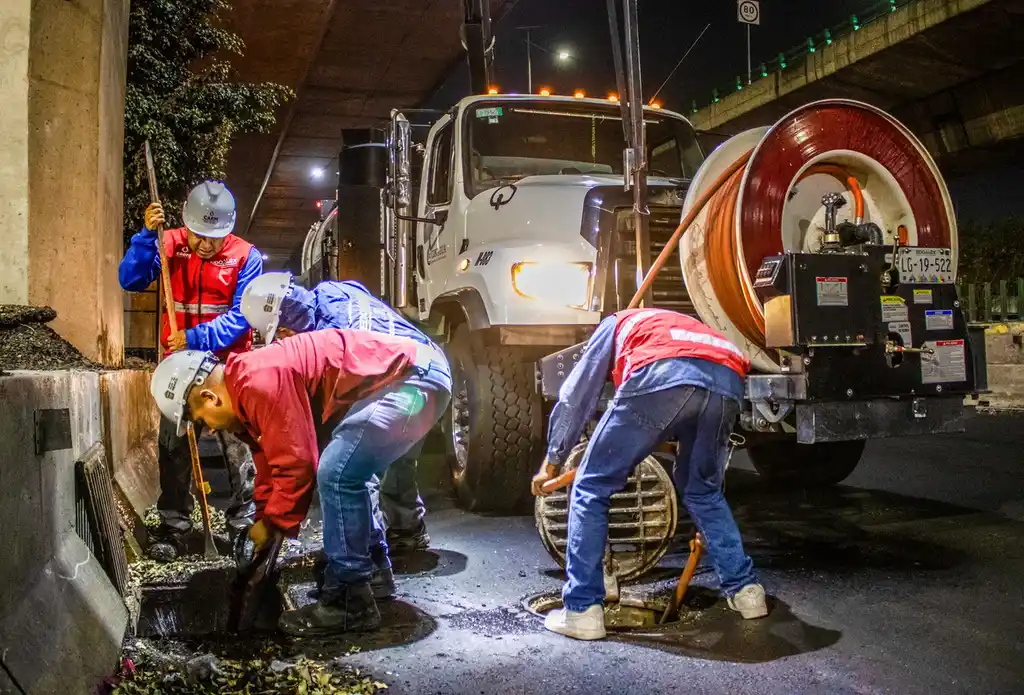
We run the camera from the access point to the city main or the end of the lateral, recording the entire path. You see the pipe material, joint condition, and any blockages along the way.
The recording is saved and shared with you. It shows distance markers, so a repair crew can locate the problem without a second inspection. You keep the file for your records.
We put the key findings in writing: what we found, where it is, and what it means. That summary is useful for real estate transactions, insurance claims, and second opinions.
If standing water or heavy buildup blocks the camera, we clear the line with a drain snake or auger first. The camera needs a clear path to see the pipe condition accurately.
When the footage shows a problem, we explain the repair options and what each one involves. You get the information before you decide, with no pressure to book work on the spot.
The approach is the same for a home and a business. What changes is the access, the schedule and who needs the paperwork.
Homes in Arlington Heights have laterals that range from clay tile to PVC pipe. We check the pipe material and joint condition before recommending any work.
Commercial kitchens and multi-family buildings need camera inspections for grease lines and long laterals. We schedule around business hours to keep disruption low.
A plain-language look at what Video Camera Inspection involves and when it is needed.
See how it worksA video camera inspection Arlington Heights IL is a diagnostic service that runs a flexible camera head through your drain or sewer line and records the inside of the pipe on a monitor. The camera rides on a reel of stiff cable, pushed through a cleanout or pulled from a toilet flange, and it lights the pipe as it goes. We watch for root intrusion, offset joints, bellied sections, scale buildup, and cracks in PVC pipe or clay tile. The footage is recorded, so you keep a record of the line's condition instead of a verbal guess.
Arlington Heights has a mix of older clay tile laterals near Old Arlington Heights and Miner Street Corridor plus newer PVC pipe in Creekside and Westgate, and each fails differently. Roots find the joints in clay tile; PVC pipe can belly or crack at a fitting. When a drain keeps backing up after snaking, a plumbing camera inspection Arlington Heights pinpoints the spot so we are not digging up a healthy lawn. If you have been searching for video camera inspection near me Arlington Heights IL, this is the call that ends the guesswork.
A camera inspection shows the pipe condition before anyone digs or replaces a line.
The visit is straightforward: we locate the access point, run the camera, record the footage, and walk you through what it shows. Most residential inspections take 45 minutes to two hours depending on line length and access.
We find the cleanout or pull the toilet to reach the main line, then confirm the line is clear enough for the camera to travel. If standing water or heavy buildup blocks the view, we clear it first with a drain snake or hydro jetter. You see the access point before we start, and we protect the floor and fixtures while we work.
A RIDGID sewer camera goes down the line while we watch the monitor. We push at a steady pace, stop at changes in pipe material, and note distance markers as we go. The camera head lights the pipe, so cracks, roots, and joint offsets show clearly. We record the full run, not just the problem area.
When we find the issue, we stop and mark the footage distance. If the line needs repair, we can mark the spot above ground with a flag or paint so you see where the work will happen. You get the distance, depth estimate, and pipe material in plain terms, not just a diagnosis on a screen.
We play back the recording and point out what matters: the root mass at 32 feet, the cracked section at 47 feet, the belly that holds water. You ask questions, and we answer them without jargon. If a repair is needed, we explain the options and what each one costs before anyone schedules work.
You keep a copy of the footage and a written summary of what we found. That record is useful for a real estate sale, an insurance claim, or a second opinion. If you need a follow-up sewer line repair, the next crew starts with the same information instead of re-inspecting from scratch.
Move across a circle, or focus it and press Enter, for an illustrative thermal view of the photograph.
The main inspection camera, with a flexible cable and a lighted head that travels through 2-inch to 8-inch lines. It records distance and video.
Used for access and supporting work, including pulling cleanout caps and checking fittings before the camera run.
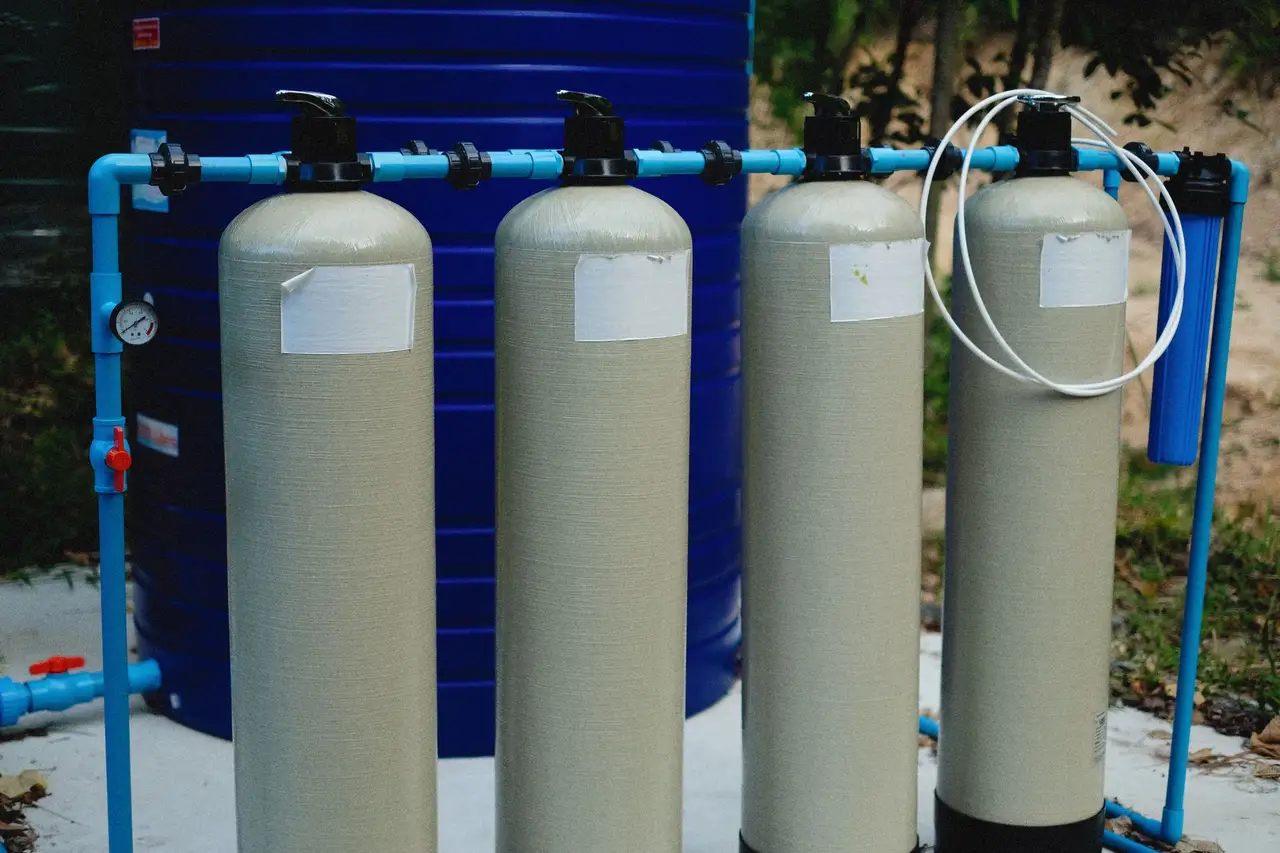
Clears standing water or soft blockages so the camera can travel and see the pipe condition.
Cleans grease, scale, and roots from the line when the camera shows buildup that a snake cannot remove.
Marks the camera head's position above ground, so the repair crew knows where to dig or line.
Thermal views are illustrative, generated from the photographs.

A homeowner is buying a house near Pioneer Park and wants the sewer lateral checked before closing.
We run a full camera inspection, record the line, and provide a written summary the same day. The report shows pipe material, condition, and any defects the buyer should know about.
Outcome: The buyer has documented evidence for the negotiation and knows what maintenance the line needs.
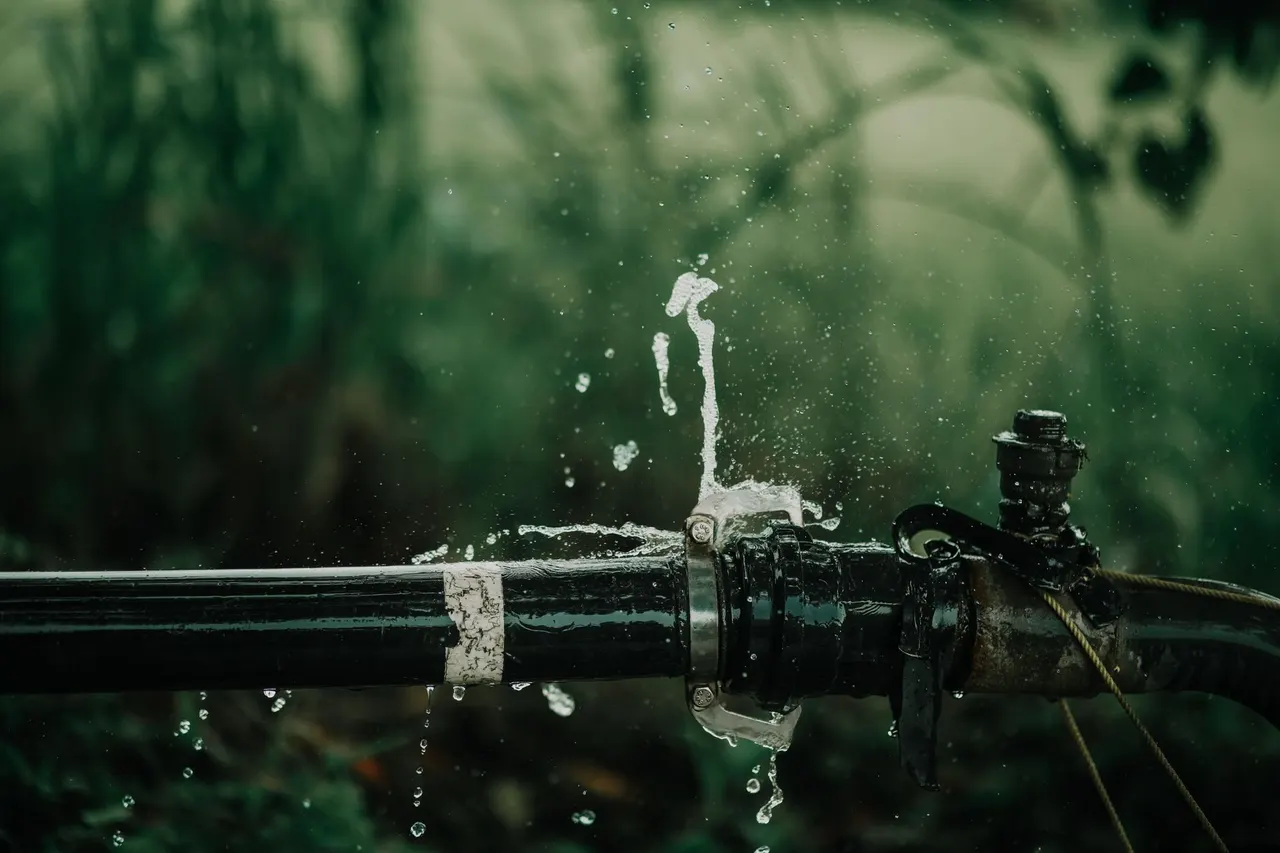
A basement floor drain backs up every spring when the ground thaws.
We camera the line to find root intrusion or a bellied section that catches debris. The footage shows the exact spot, and we clear or repair it based on what we see.
Outcome: The spring backup stops because the cause is fixed, not just cleared.
A commercial kitchen on the Miner Street Corridor has a grease line that clogs monthly.
We run a camera inspection after hours, find the scale and grease buildup, and recommend hydro jetting followed by a maintenance schedule.
Outcome: The line stays clear, and the tenant avoids emergency closures.
A real estate agent needs a sewer camera inspection before a closing in Scarsdale.
We schedule the inspection within the closing timeline, record the line, and send the footage and summary to the agent and buyer.
Outcome: The closing stays on track, and the buyer has a clear record of the line condition.
Arlington Heights has a housing stock that spans more than a century, and the sewer laterals show it. Older homes near Old Arlington Heights and the Miner Street Corridor often have clay tile laterals that roots have been working on for decades. Newer construction in Creekside and Westgate uses PVC pipe, which can belly or crack at a fitting.
The freeze-thaw cycle in Cook County shifts soil, and that movement opens joints and creates low spots. We run a sewer camera inspection Arlington Heights IL with those conditions in mind, checking joint condition and pipe slope, not just the first clog. If you need same-day video pipe inspection Arlington Heights IL after a backup, call and we will confirm the visit window for your address.
Before: A homeowner in Old Arlington Heights had a basement floor drain backing up twice a year. Snaking cleared it for a few months, but the backup returned. The camera showed a root mass at 38 feet in the clay tile joint.
After: We cut the roots with a sewer machine and jetted the line. The camera run after cleaning showed a clear pipe with no cracked sections. The homeowner has had no backup in the two seasons since.
We recommend a camera check every 18 to 24 months to catch new root growth before it causes a backup.
Before: A Creekside home had a slow drain in the laundry room that kept clogging. The camera found a cracked PVC fitting at 22 feet, leaking sewage into the soil and catching lint.
After: We dug at the marked location, replaced the cracked section with new PVC pipe and fittings, and tested the line. The drain ran clear, and the camera confirmed no other defects.
We suggested a camera check in 12 months to confirm the repair held and the rest of the line is sound.
Before: A restaurant on the Miner Street Corridor had a grease line that clogged monthly. The camera showed heavy scale and grease narrowing the pipe to half its diameter over a 60-foot run.
After: We hydro jetted the line after the camera inspection and removed the grease and scale. A follow-up camera run showed the pipe back to its full diameter.
The restaurant now schedules quarterly hydro jetting and an annual camera check to stay ahead of buildup.
Most camera calls start with a symptom the homeowner can see: a backup, a gurgle, or a slow drain that keeps returning. The camera finds the cause behind the symptom.
A recorded look at your line means fewer guesses and smaller repairs.
The monitor shows root intrusion, cracked pipe, or a collapsed section as it happens. You are not taking anyone's word for it. We mark the depth and distance on the footage, so the repair crew knows exactly where to dig or line. That one step prevents tearing up a driveway or patio to find a break that was 12 feet away.
A drain that backs up twice in a season usually has a structural cause a drain snake cannot fix. A drain camera inspection Arlington Heights IL finds the offset joint or root mass behind the repeat call. We fix the cause, not just the symptom, so you are not paying for the same clearing job every few months.
Repair costs swing widely depending on whether the problem is at 8 feet or 60 feet from the cleanout. Footage with a measured distance lets us give you a real number instead of a worst-case range. It also tells you whether spot repair, sewer line cleaning, or replacement is the honest answer for your line.
A camera run also checks for backflow risk, bellied sections that hold water, and scale that narrows a line to half its diameter. Catching those early is cheaper than an emergency sewer backup on a holiday weekend. We flag what we find and tell you what can wait and what cannot.
Clear records you can keep and share.
Full recorded camera run
Written summary of defects
Measured location of problems
Plain explanation of next steps
A camera report shows pipe material, joint condition, and the location of defects. Here is how to read the three common findings.
Roots entering through joint gaps or cracks.
A low spot where water and debris collect.
A broken pipe section or shifted joint.
A list like this tells people straight away whether you cover their street. Not listed? Call and ask: it only takes a minute.
Based in Arlington Heights and covering the places around it. Pick one for local details.
A cleanout at the house is easier than pulling a toilet, and a long lateral to the city main takes more time. If we need to clear standing water first, that adds to the visit. We quote the price before we start, and the footage is yours to keep.
It shows the inside of your drain or sewer line in real time: root intrusion, cracked or collapsed pipe, offset joints, bellies that hold water, scale buildup, and the pipe material itself. In older Arlington Heights neighborhoods, we often find clay tile joints that roots have opened. In newer PVC pipe, we look for bellies and fitting cracks. You see the same picture we do.
Yes, and most repairs should not start without one. A camera inspection shows the exact location, depth, and cause of the problem, so the repair crew digs in the right spot and uses the right method. Without it, you risk opening a healthy line or missing a second problem downstream. We run the camera first, then price the repair from what the footage shows.
A typical residential inspection takes 45 minutes to two hours. A short line with an accessible cleanout is on the faster end; a long lateral, a toilet pull, or standing water that needs clearing pushes it longer. Commercial lines and multi-family buildings can take half a day. We tell you the expected window when you book, and we call if the schedule changes.
Other services from the same team.
If a drain is backing up or a sewer line needs a real answer, call Five Star Plumber LLC at (224) 643-9856. We run the camera, show you the footage, and tell you what it takes to fix the line. Same-day appointments are available for backed-up lines in Arlington Heights and nearby Cook County neighborhoods.
Call (224) 643-9856 or email us and we will get back to you fast. Tell us what is going on and we will tell you what it takes to fix it.