For Your Home
We test your water and size the unit to your household. You get soft water without paying for capacity you will never use.
- Spotted dishes and stiff towels
- Softener not regenerating
- Salt bridge in the tank
Water softener installation and repair Arlington Heights IL homeowners call when the water turns spotty, salty, or flat-out stops softening. We handle water softener service Arlington Heights wide, from 60004 and 60005 homes to Cook County businesses. If your softener is leaking, cycling wrong, or never installed right, we diagnose it, fix it, and set it up to run clean.
 Test water hardnessCheck static pressureVerify drain flow
Every job starts with a water test and a clear scope. Installation and repair cover the equipment, the plumbing connection, the drain, and the programming. We tell you upfront what is included and what would be an add-on, like a whole-house filter or a dedicated soft water tap.
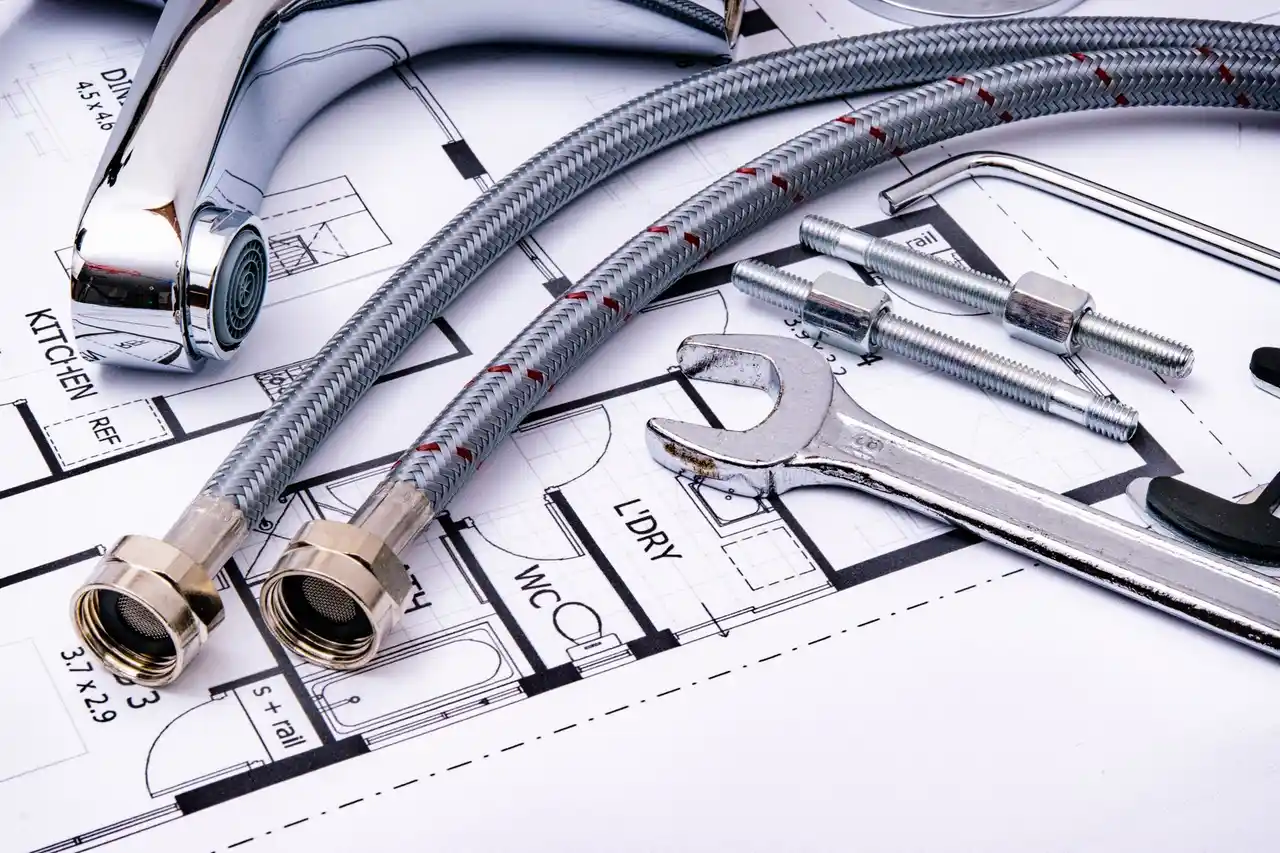
We test hardness, iron, and chlorine at your tap and check static pressure with a pressure gauge. You get the actual numbers before we recommend anything, so the decision is based on your water, not a sales script.
We calculate grain capacity from your hardness and household size, then quote the unit and labor together. You see the full price before we start, including permit and any fittings needed for the tie-in.
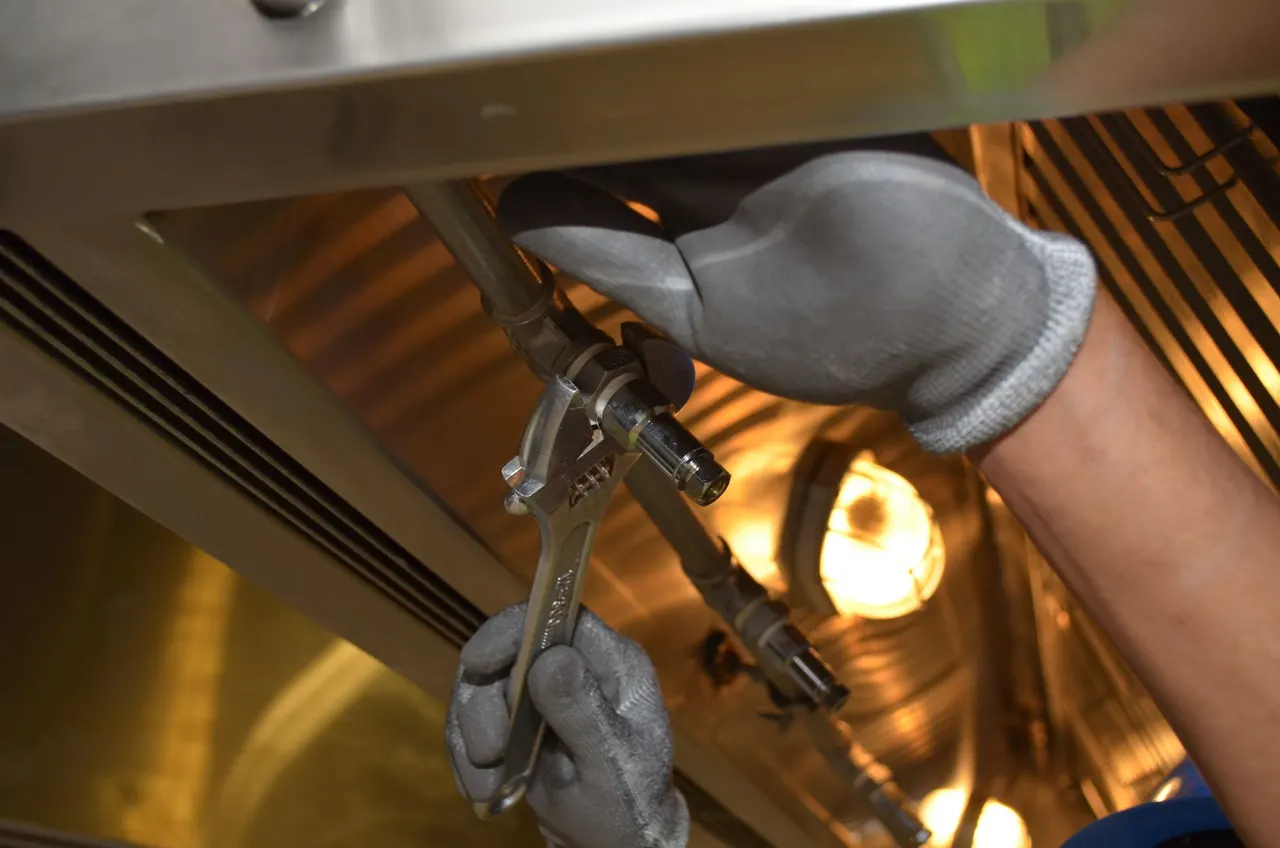
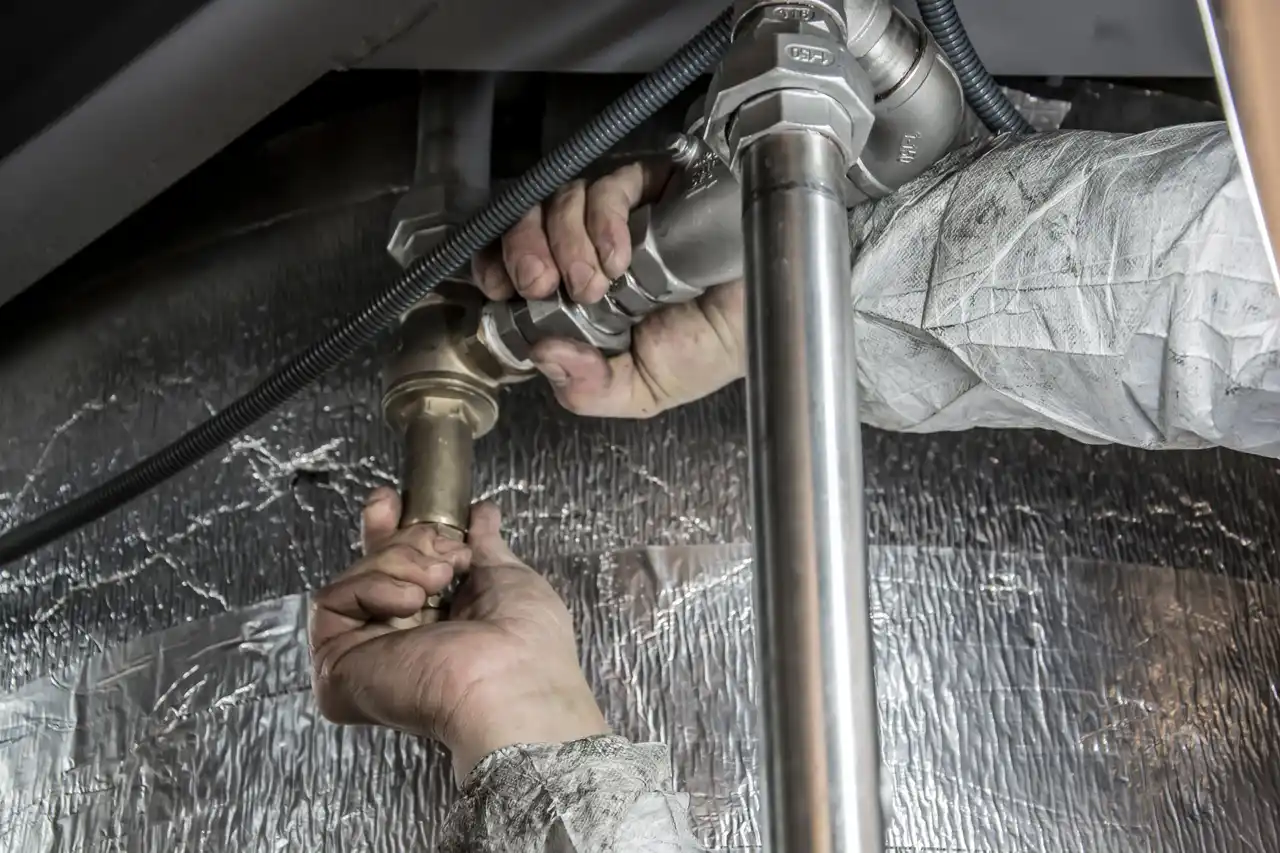
We cut into the main, run PEX tubing or copper pipe to the unit, install shut-off valves, and set the drain line with a proper air gap. All fittings are pressure tested before we close anything up.
For repairs we diagnose the control head, timer, brine valve, resin tank, and bypass assembly. We rebuild or replace the failed part and run a full regeneration cycle to confirm the fix.
We set hardness compensation, regeneration schedule, and brine refill, then show you how to add salt and read the display. You leave knowing how the system works and when to call us.
We retest hardness at the tap after the install or repair and check every fitting for leaks. You get the before and after numbers in writing, plus a reminder for annual service.
The approach is the same for a home and a business. What changes is the access, the schedule and who needs the paperwork.
We test your water and size the unit to your household. You get soft water without paying for capacity you will never use.
We size commercial softeners for peak flow and service them around your hours. Your equipment and boilers stay free of scale.
A plain-language look at what Water Softener Installation and Repair involves and when it is needed.
See how it worksWater softener installation and repair Arlington Heights IL is the work of removing calcium and magnesium from your home's water supply and keeping the equipment that does it running. That means sizing a unit to your actual hardness, cutting into the main line, setting up the brine tank and drain, and programming regeneration cycles. We also repair the valves, resin tanks, and control heads that fail over time. Hard water is not a cosmetic problem; it scales every fixture and appliance it touches.
Arlington Heights sits on Lake Michigan water blended with local wells, and hardness swings block to block. Homes near Pioneer Park and Scarsdale often test 8 to 12 grains per gallon, which is enough to crust a water heater anode rod in a couple of years. If you are searching for water softener installation near me Arlington Heights IL, we test your water first, then quote the right size unit instead of guessing.
Soft water protects your plumbing, your appliances, and your water heater from scale.
We keep the process simple and predictable. You get a water test, a straight answer, and a clean install or repair, usually the same day.
We test hardness, iron, and chlorine at your kitchen tap, then check static pressure with a pressure gauge. That tells us whether you need a softener, a filter, or both. Takes about 15 minutes and costs nothing.
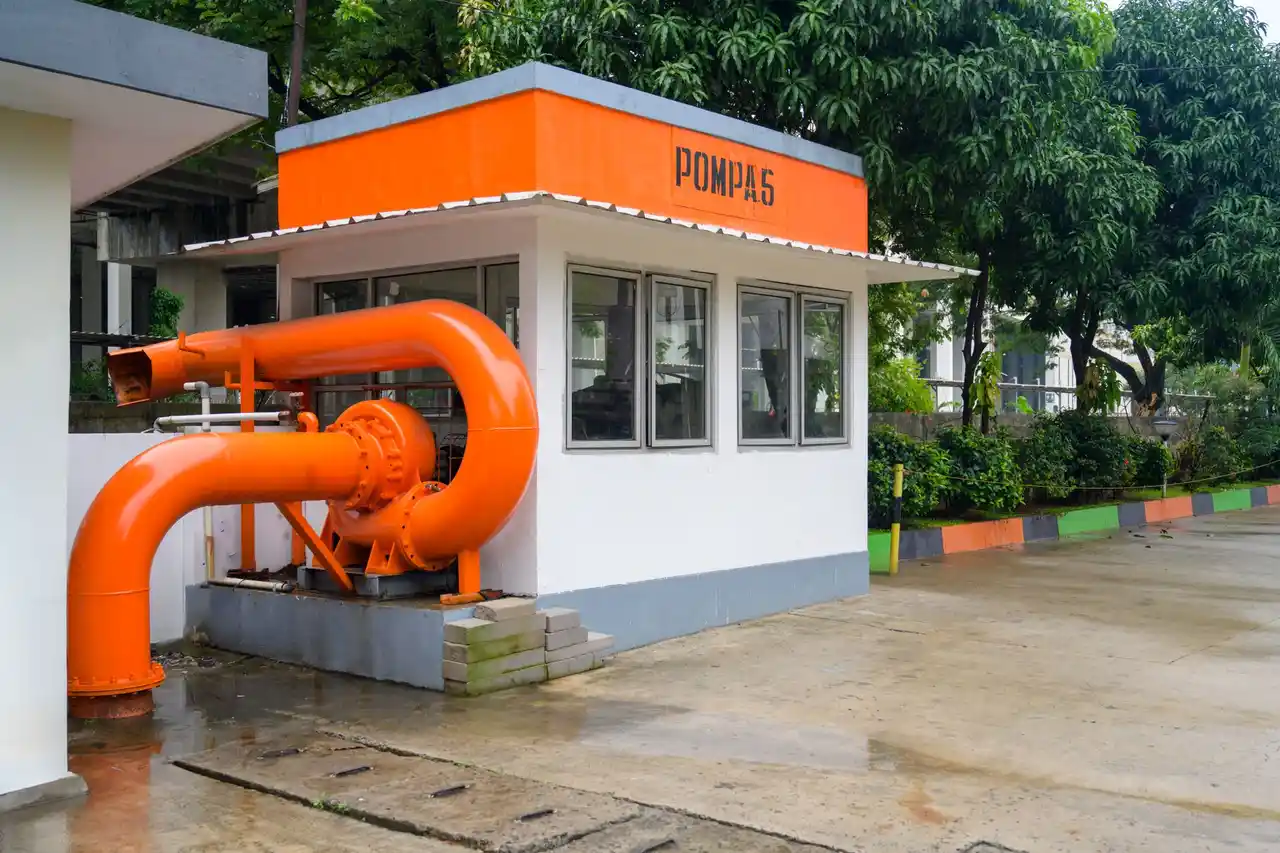
We size the unit to your grain count, household size, and peak flow. A family of four at 10 grains needs a different unit than a two-person condo at 6 grains.
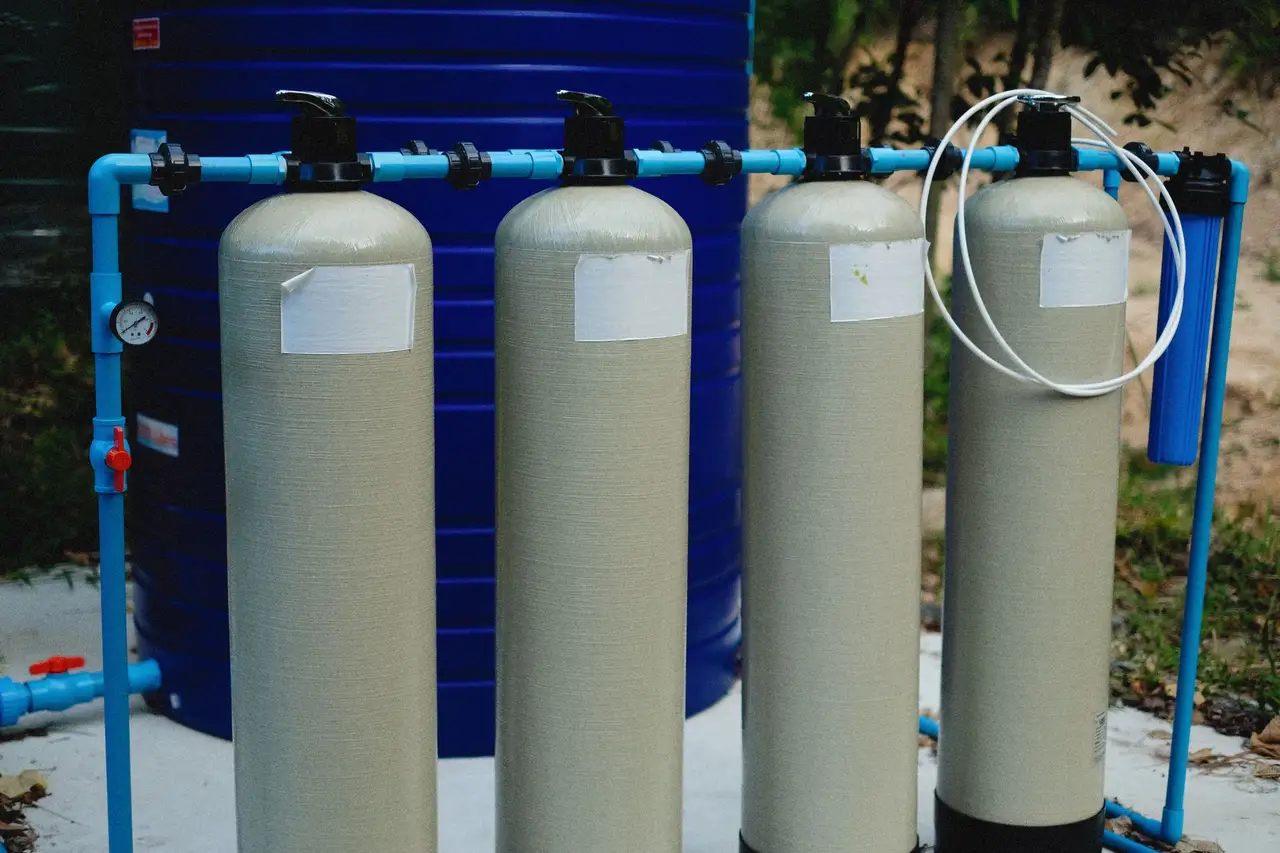
For new installs we cut into the main with a pipe cutter, run PEX tubing or copper pipe to the unit, and set the drain line to code. Repairs mean rebuilding or replacing the control head, resin tank, or bypass valve. Most jobs run two to four hours.
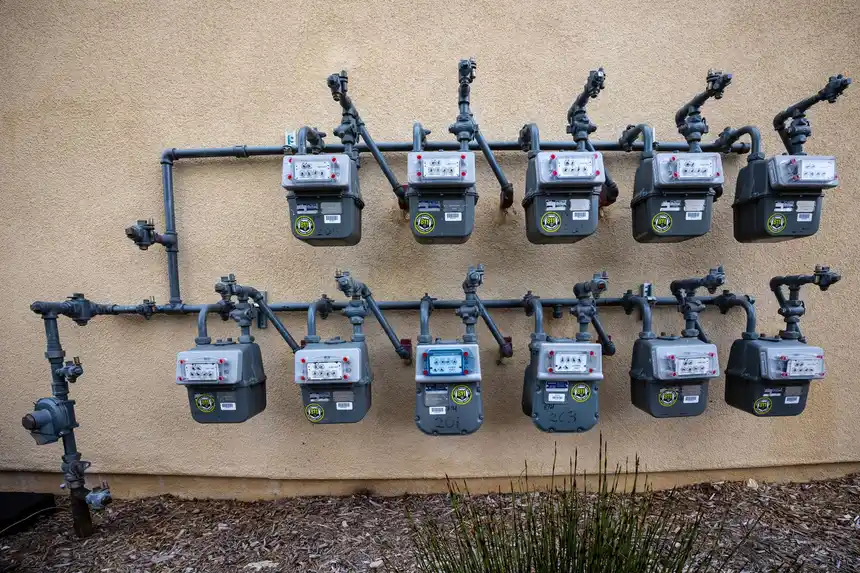
We set the regeneration schedule, brine refill, and hardness compensation on the control board, then walk you through what the display means. You will know how to add salt and what a normal cycle sounds like.
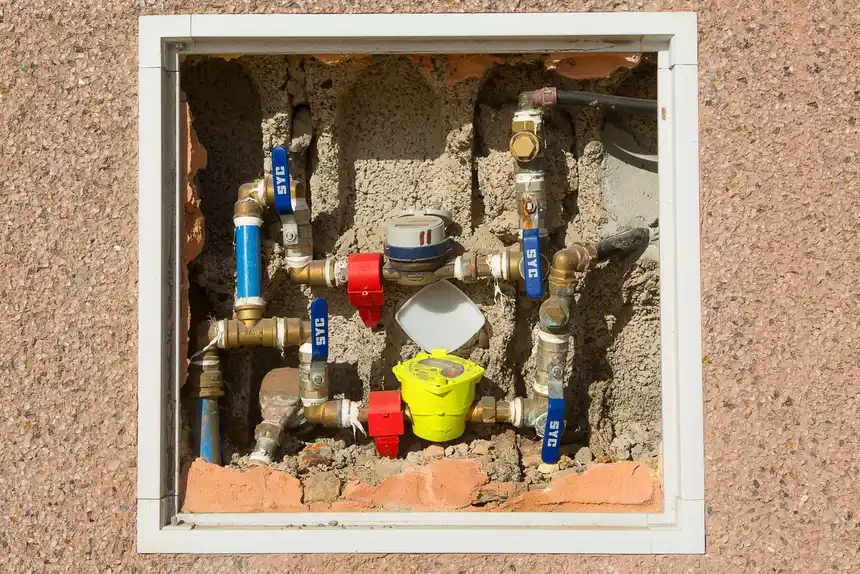
We run a full regeneration cycle, check for leaks at every fitting, and test hardness again at the tap. You get the before and after numbers, plus a walkthrough of the bypass valve in case you ever need it.

Move across a circle, or focus it and press Enter, for an illustrative thermal view of the photograph.

Used to cut and join copper pipe cleanly at the softener tie-in. A clean cut and proper solder joint prevent leaks at the main connection.

For PEX tubing runs, which are faster and more flexible than copper in tight mechanical rooms. The crimp rings are pressure tested before we close up.

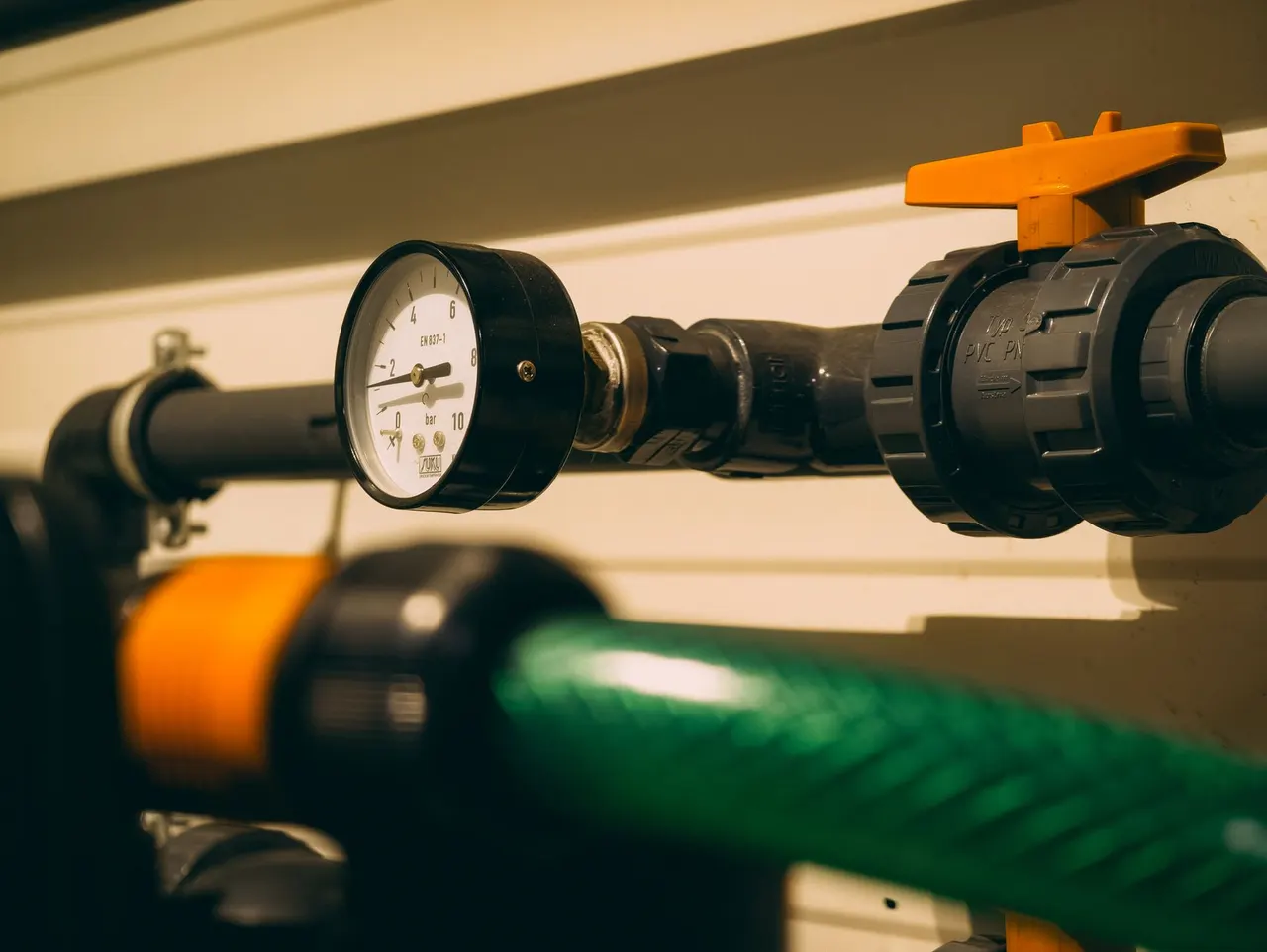
Checks static and dynamic water pressure before and after the install. High pressure above 80 psi needs a regulator to protect the softener and fixtures.
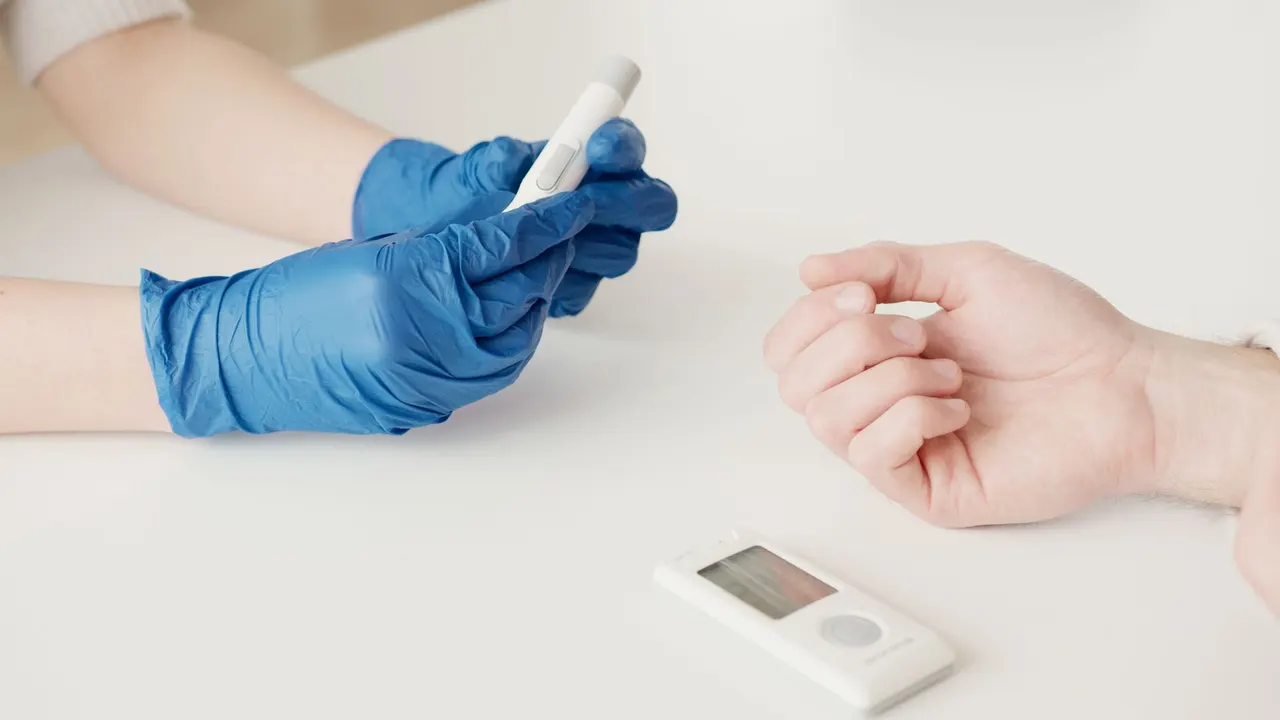
Measures grains per gallon, iron, and chlorine at the tap. The numbers drive sizing and tell us whether a filter is needed alongside the softener.
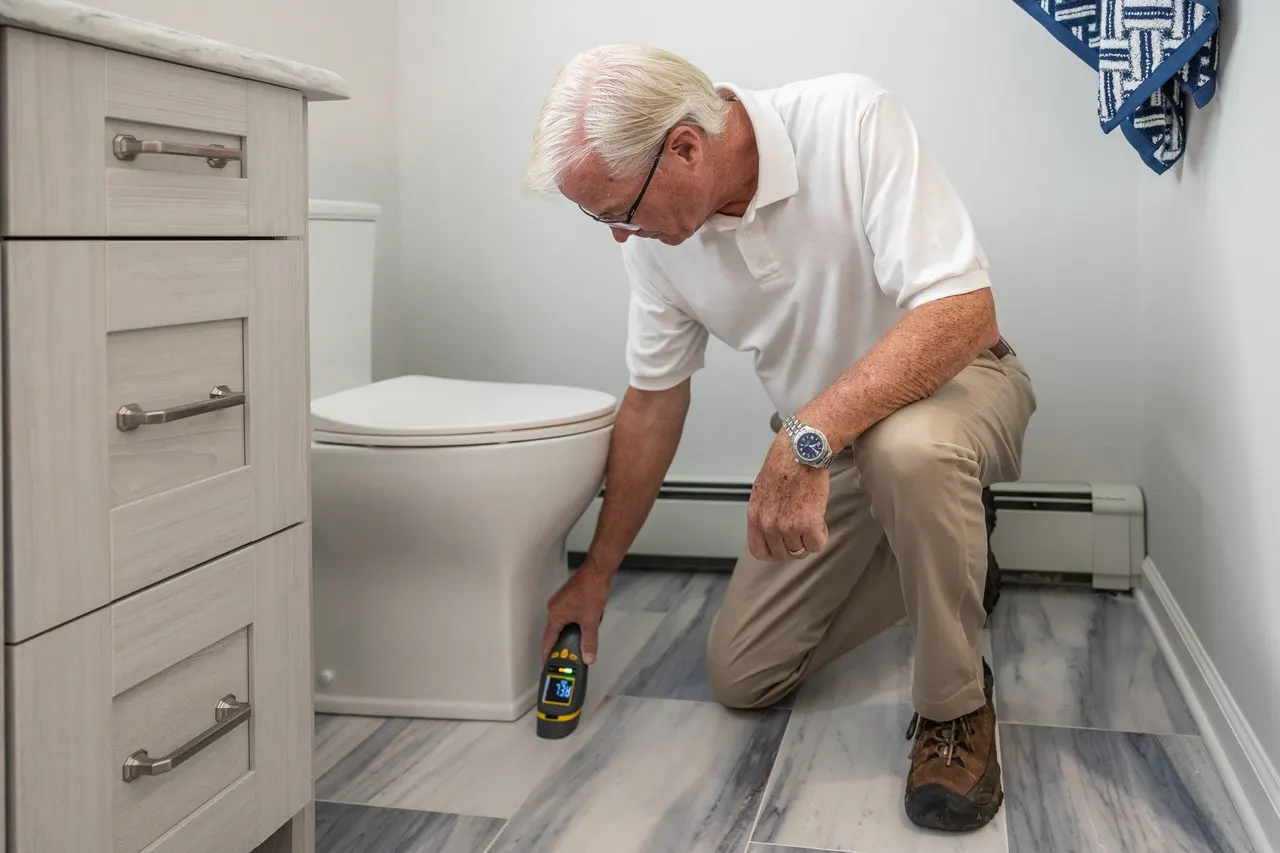
Clears softener discharge lines and floor drains clogged with salt and sediment. A clear drain is required for the regeneration cycle to work.
Thermal views are illustrative, generated from the photographs.
Finds hidden supply line and slab leaks that a constantly cycling softener can mask. We repair the leak before finishing the softener work.
We never quote a softener without testing. Hardness, iron, and chlorine numbers determine unit size, resin type, and whether a pre-filter is needed. Testing takes 15 minutes and prevents the most common mistake in the industry: installing the wrong size unit.
Softener discharge must drain through an air gap to prevent cross-contamination of the water supply. We install the drain to Illinois Plumbing Code and test it during a full regeneration cycle before we call the job done.
After any install or repair we run the unit through a complete cycle, watching the brine draw, backwash, and fast rinse. That confirms the valve, timer, and drain all work together before we leave.
When we install a softener near a water heater, we pull and inspect the anode rod. If it is scaled or eaten down, we replace it so the heater gets the full benefit of softened water.
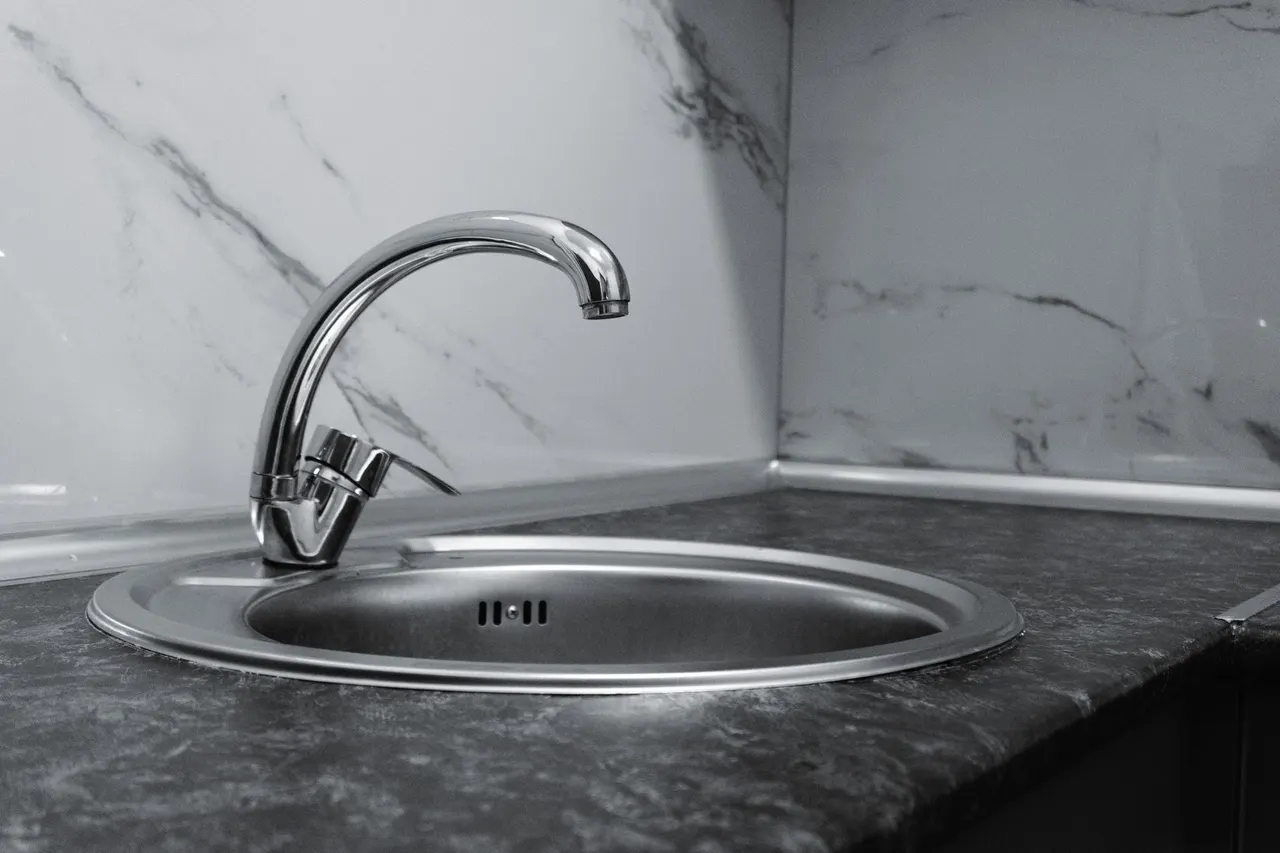
A family of five in a 1960s Scarsdale ranch notices spots on dishes and stiff towels.
We test hardness, find it at 10 grains, and install a 40,000-grain softener with a bypass valve and code-correct drain. The install takes about three hours.
Outcome: Dishes come out spot-free, laundry softens, and the water heater stops collecting new scale. They use about half the detergent they used to.
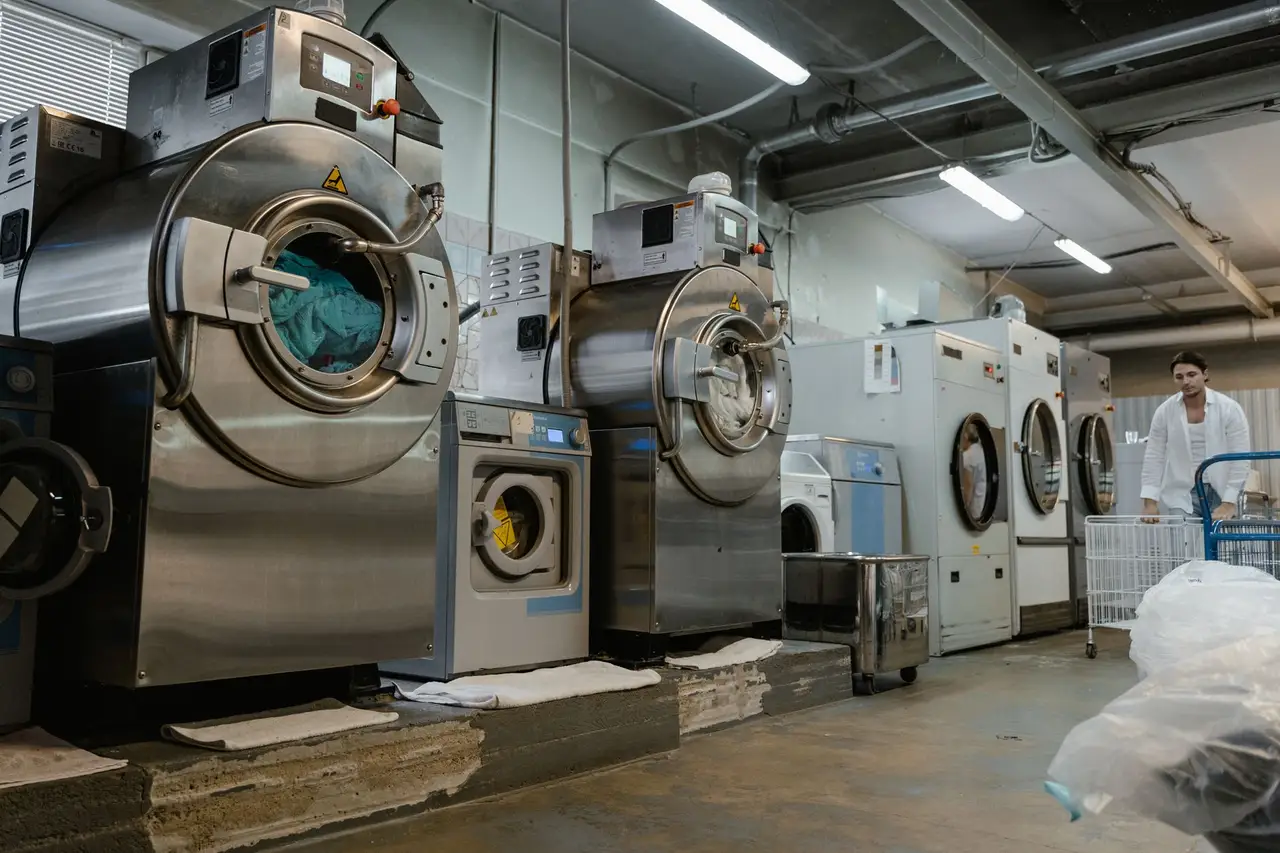
A condo owner near Arlington Market hears the softener cycling at 2 a.m. and finds salty water at the tap.
We diagnose a failed control valve that is regenerating too often, rebuild the valve, and reset the schedule. Same-day repair, no unit replacement needed.
Outcome: The unit cycles on schedule, the salty taste is gone, and the water tests soft again. Repair cost a fraction of a new system.
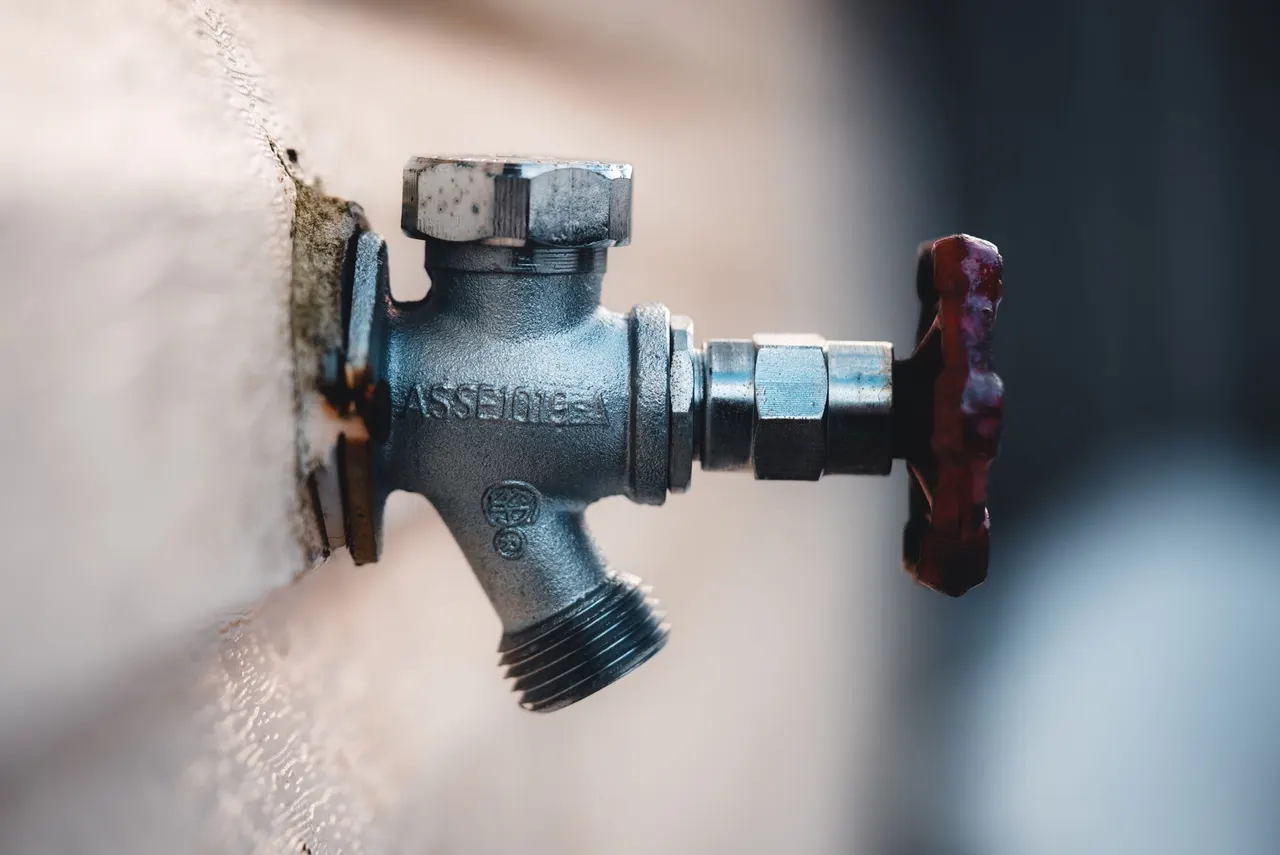
A homeowner in Old Arlington Heights inherits a 15-year-old softener that stopped softening months ago.
We test the resin and find it exhausted. We quote water softener replacement Arlington Heights style: new unit, new bypass, new drain line, permit pulled.
Outcome: New system runs quietly, hardness drops from 12 grains to under 1, and the homeowner gets a service reminder for next year.
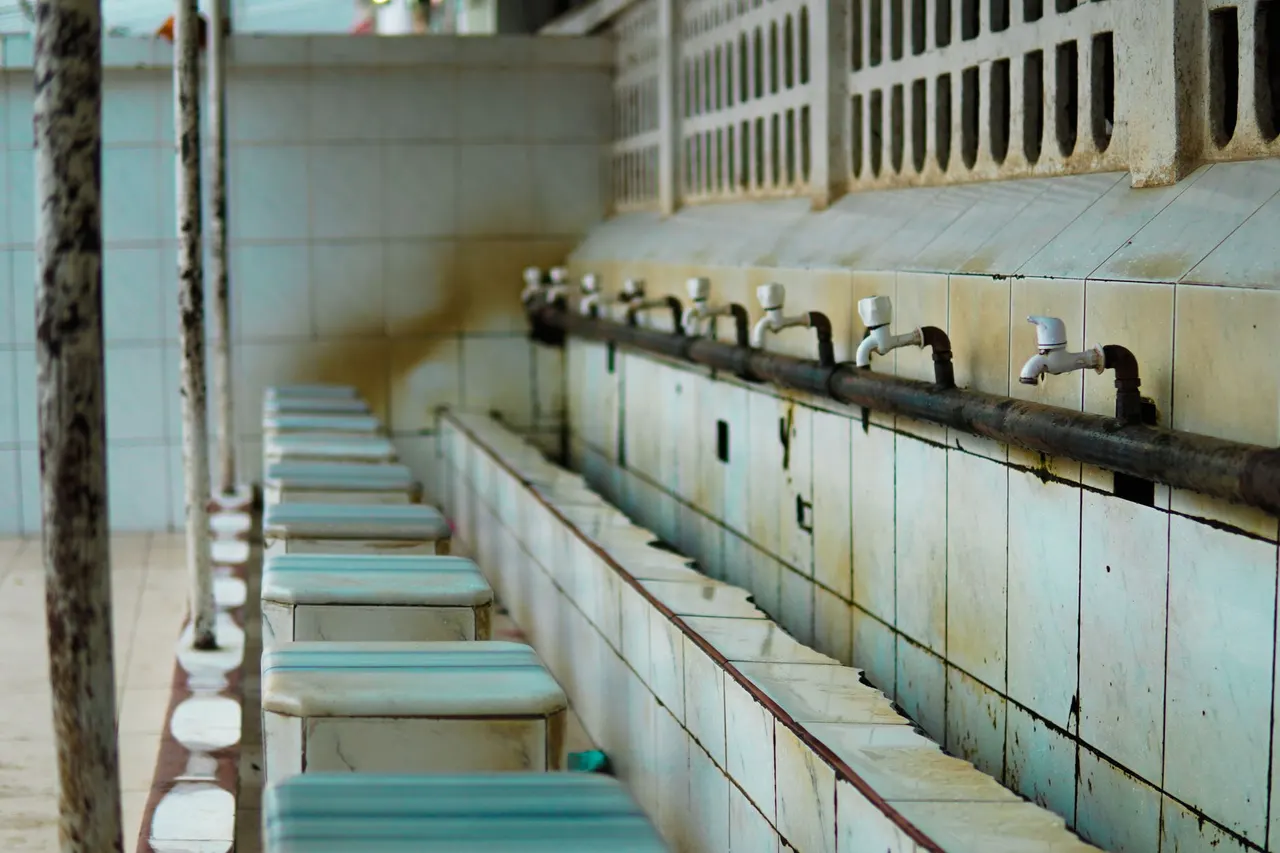
A restaurant in the Arlington Heights Business District battles scale in its dishwasher and boiler.
We size a commercial softener for peak demand, install it with proper backflow protection, and set the regeneration schedule around business hours.
Outcome: Dishwasher spots disappear, the boiler runs more efficiently, and equipment lasts longer. We service the unit on a quarterly schedule.
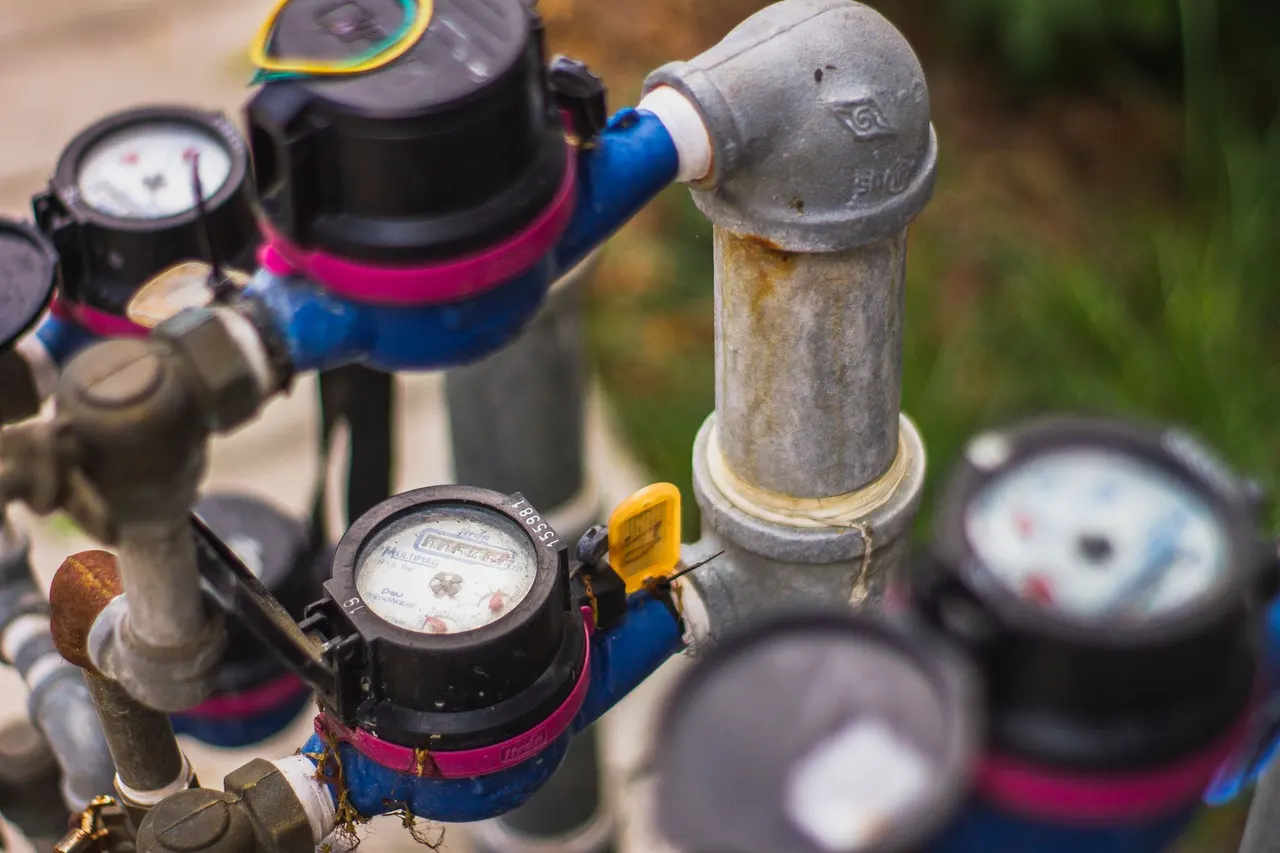
A new homeowner in Creekside wants soft water but is not sure the house needs a softener.
We test for free, find 9 grains, and recommend a mid-size unit with a carbon filter for chlorine. Install is scheduled within the week.
Outcome: They get soft, better-tasting water without overspending on equipment they did not need. The filter also removes the chlorine smell.
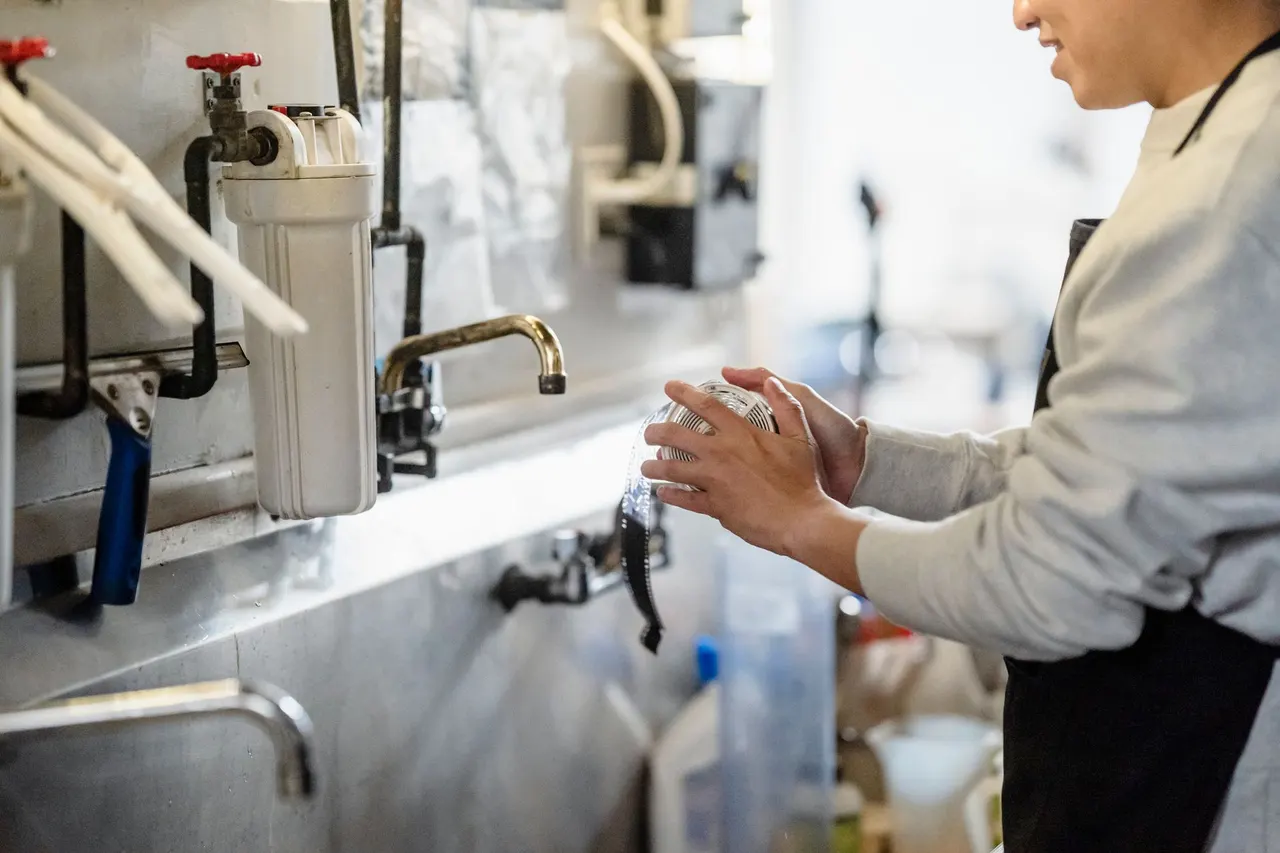
Arlington Heights gets Lake Michigan water blended with local well supply, and hardness varies by block. Homes in 60004 and 60005 commonly test 8 to 12 grains, and some pockets run higher. That is hard enough to scale a water heater in a few years and leave film on everything.
Winter matters too: incoming water is colder from December through March, which changes how resin performs and can make an undersized unit look like it failed. Older homes near Old Arlington Heights and the Miner Street Corridor often have galvanized or early copper pipe that needs replacing at the tie-in. Newer builds in Creekside and Westgate usually have PEX and more room, so installs go faster.
If you need affordable water softener repair in Arlington Heights, Illinois, we stock common control heads and bypass valves on the truck so most repairs finish in one visit. We pull permits when required and coordinate with Cook County inspectors.
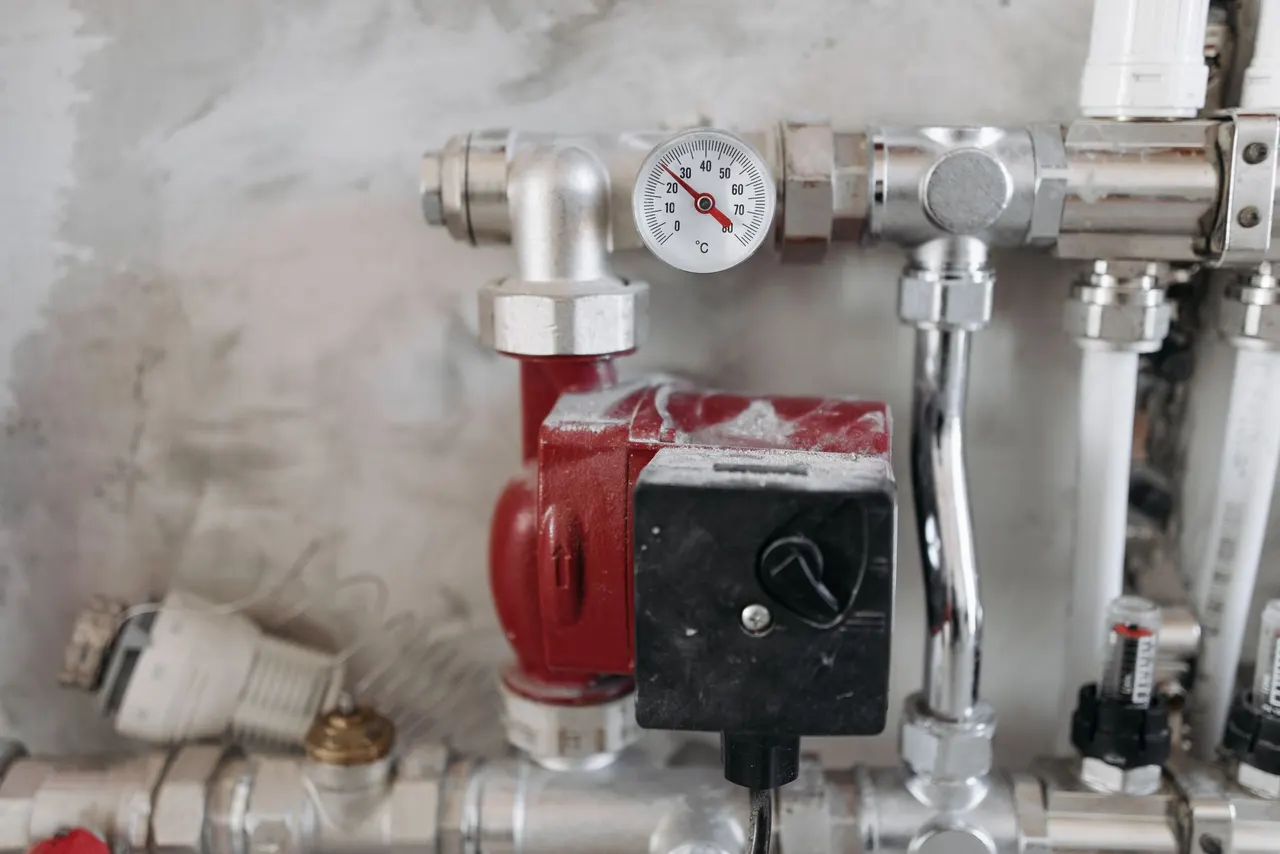
Before: A 15-year-old unit stopped softening. Water tested 11 grains, dishes were spotted, and the water heater was scaling badly. The control head was dead and the resin was exhausted.
After: We installed a 40,000-grain softener with a new bypass valve and drain line. Hardness dropped to under 1 grain. The homeowner noticed softer laundry within a week and cleaner glassware immediately.
Add salt monthly, check for salt bridges, and schedule annual service. The unit should run 12 to 15 years with that routine.
Before: The softener ran but the water stayed hard. Salt level never dropped, which pointed to a clogged brine line. The unit was regenerating with plain water for weeks.
After: We cleared the brine line, cleaned the tank, and tested the brine valve. The unit cycled properly and hardness returned to under 1 grain. Repair took about 90 minutes.
Check the brine line for sediment yearly and keep the salt level at least half full. Annual service catches clogs before they cause hard water.
Before: New construction with no softener. Water tested 9 grains with noticeable chlorine smell. The family was using rinse aid and still getting spots on dishes.
After: We installed a mid-size softener with a carbon pre-filter for chlorine. Hardness dropped below 1 grain and the chlorine smell disappeared. The install took about three hours.
Replace the carbon filter every 6 to 12 months, add salt monthly, and service the softener annually to keep resin and valve in good shape.
Hard water shows up in ways most people do not connect to their plumbing. Here are the problems we fix most often for Arlington Heights homeowners and businesses.
Soft water means cleaner dishes, softer laundry, and a protected water heater.
Scale is the quiet killer of water heaters, dishwashers, and washing machines. Softened water keeps calcium from baking onto heating elements, which can add years to a water heater's life and cut energy use. One Arlington Heights customer replaced a failed anode rod at year three instead of year twelve after we installed a softener.
Hard water leaves film on glassware and dulls fabric. With softened water you use roughly half the detergent, no rinse aid, and towels come out soft instead of stiff. If your dishwasher is spotting everything, that is a hardness problem, not a soap problem.
Faucets, shower doors, and toilet bowls stop collecting that white crust. We see Moen and Delta fixtures ruined by scale in homes that never treated their water. Softening keeps the finish clean and the cartridge moving freely, which saves you a faucet repair call later.
Hard water strips oils and leaves soap scum on skin. Most people notice softer hair and less dry skin within two weeks of switching. It is the benefit customers mention first, even though they called us for the plumbing.
Clear records you can keep and share.
Hardness and iron numbers before and after
Tie-in, drain, and control head
Regeneration schedule and salt guidance
What was done and what to watch
Not every system removes hardness the same way. Knowing the difference helps you pick the right one.
Conditions water without removing minerals.
Removes iron, chlorine, and sediment, not hardness.
A list like this tells people straight away whether you cover their street. Not listed? Call and ask: it only takes a minute.
Based in Arlington Heights and covering the places around it. Pick one for local details.
A basic 32,000-grain softener with standard plumbing sits at the low end. Twin-tank systems, tight mechanical rooms, or adding a whole-house filter push it higher. We quote after testing your water, so the number reflects your actual setup.
If your water tests above 7 grains per gallon, yes. Most Arlington Heights homes test between 8 and 12 grains, which is hard enough to scale a water heater and spot your dishes. If you are under 5 grains, you probably do not need one. We test for free and tell you straight.
The three most common causes are a clogged brine line, a failed timer or control valve, and a resin tank that has lost capacity. If your water feels hard again or the salt level never drops, the unit is not regenerating. We diagnose it in about 30 minutes and most repairs finish the same visit.
Once a year is right for most homes. We check the resin, clean the brine tank, test the valve, and verify the regeneration cycle. Homes with high iron need service every six months because iron fouls resin faster. Annual service is what keeps a 10-year unit running to 15.
Other services from the same team.
Hard water costs you money every month in soap, scale, and appliance repairs. We test your water, quote the fix, and get it done, usually the same day. Call Five Star Plumber LLC at (224) 643-9856 and let us put soft water back in your house.
Call (224) 643-9856 or email us and we will get back to you fast. Tell us what is going on and we will tell you what it takes to fix it.